
Wild Tiger Slots: A Sensory Jungle of Neon, Silk, and Spin
First Impressions — Visual Identity and Layout Walking into an online casino that channels wild tiger slots feels a little …
Blog about women in politics
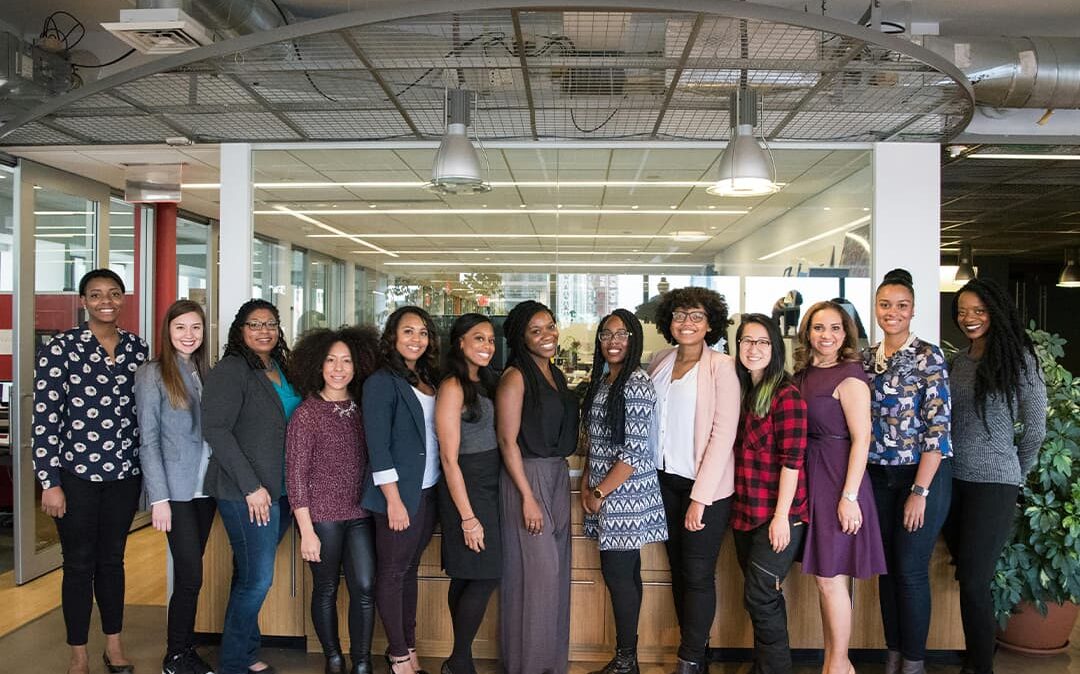



My name is Tina Caldwell, and I’m excited to tell you about our mission and what inspires us. I am …
Read More
Women have long faced significant obstacles in the political arena, from gender biases and stereotypes to systemic barriers that hinder …

The political landscape is evolving, with increasing visibility and participation from marginalized communities. Transgender and nonbinary individuals are emerging as …

Intersectionality, a term coined by scholar Kimberlé Crenshaw, describes the interconnected nature of social categorizations such as race, gender, sexual …

In recent years, young female activists have emerged as powerful forces in political campaigns and elections, bringing fresh energy, innovative …
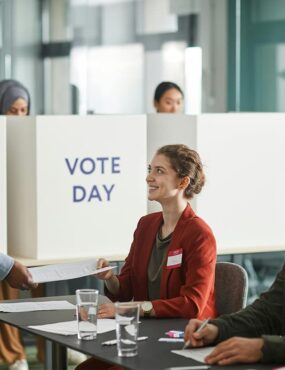

Social media has revolutionized the way political campaigns are conducted, providing a powerful platform for advocacy and engagement. For women …
Read More

Transgender individuals have historically been marginalized, facing significant barriers to social, economic, and political participation. Marginalized communities, defined as groups …
Read More

Nonbinary activists have increasingly taken the lead in political movements and campaigns, advocating for a range of issues from gender …
Read More

Mentorship and support play crucial roles in the development and success of emerging leaders, particularly for women navigating the complex …
Read More

Throughout history, sports have played a pivotal role in empowering women, building confidence, resilience, and leadership skills that transcend the …
Read More

Women in politics face a unique combination of challenges, requiring both skill and, at times, a stroke of luck to …
Read More
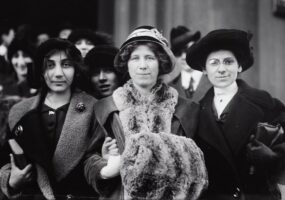
For centuries, politics has been a male-dominated arena, with women often excluded from decision-making processes. However, through resilience, activism, and …
Read MoreGender stereotypes have long influenced the career trajectories of women in politics, often creating significant barriers to their advancement and success. These stereotypes can shape perceptions, limit opportunities, and hinder the full participation of women in the political arena. This article explores the impact of gender stereotypes on women’s political careers and offers strategies for overcoming these challenges.
To address the impact of gender stereotypes, it’s important to define marginalized and marginalized group definition. Marginalized refers to individuals or groups who are pushed to the periphery of society, experiencing systemic exclusion from mainstream opportunities and resources. Marginalized group definition encompasses those who face this exclusion due to factors such as gender, race, sexual orientation, and socio-economic status. Women in politics, especially those from marginalized groups, often face compounded challenges due to these stereotypes and systemic biases.
Gender stereotypes continue to impact the careers of women in politics, creating barriers to their advancement and influencing public perceptions. Understanding the concepts of marginalized and marginalized group definition helps highlight the additional challenges faced by women from marginalized backgrounds. Overcoming these stereotypes requires a multifaceted approach, including promoting positive role models, advocating for fair media representation, building support networks, implementing training programs, and encouraging policy changes. By addressing these issues, society can work towards creating a more equitable and inclusive political environment, where women of all backgrounds have the opportunity to thrive and lead.
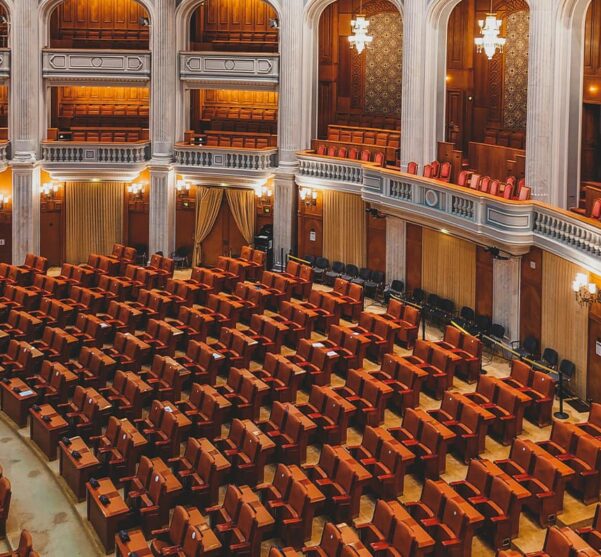
First Impressions — Visual Identity and Layout Walking into an online casino that channels wild tiger slots feels a little …
Why does the cashout feel connected to exploring games? Q: What does a payout moment reveal about a site’s offering? …

Politics can feel like an exclusive room with a door that only opens for a few. In reality, influence is …
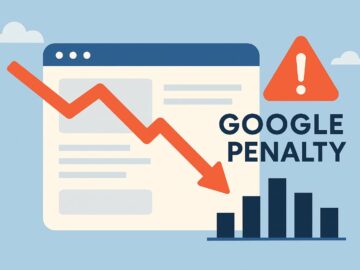
Google penalties can cause immediate and severe damage to your search rankings. These penalties typically fall into two categories: manual …
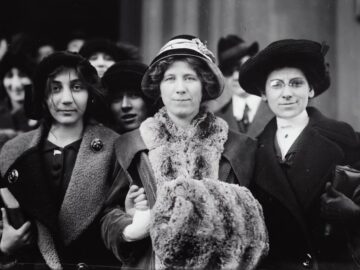
For centuries, politics has been a male-dominated arena, with women often excluded from decision-making processes. However, through resilience, activism, and …

Women in politics face a unique combination of challenges, requiring both skill and, at times, a stroke of luck to …

How have ballet dancers shaped political landscapes? Art de Ballet examines the unexpected and profound roles ballet dancers in politics …
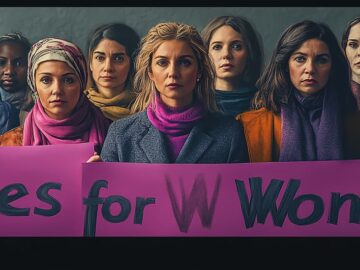
Today’s political landscape is much more diverse and complicated than it was even 50 years ago. Still, even though there …

Throughout history, sports have played a pivotal role in empowering women, building confidence, resilience, and leadership skills that transcend the …